



If you own a painted home in Douglasville, GA, you have likely wondered about soft washing vs. pressure washing. Humid summers, spring pollen, and shade from tall pines can leave green film, dark streaks, and stubborn spots that make fresh paint look tired. The right siding cleaning method matters because the wrong one can lead to peeling, water intrusion, and premature repainting. This guide explains how each process works, why a low pressure house wash is usually safer for paint, and when higher pressure still plays a role. If you prefer to skip the research, you can book our house washing service with Superior Pressure Washing Metro and let trained pros handle it.
What “Soft Washing” and “Pressure Washing” Really Mean
Pressure washing uses a pump to create high water force through a narrow nozzle. It excels on hard, unpainted surfaces like concrete where the goal is to blast away soil.
Soft washing relies on low water pressure combined with carefully mixed cleaning solutions. The chemistry does the work, then a gentle rinse lifts the loosened grime from painted siding, trim, and soffits. Think of it like soaking a pan before wiping, rather than scraping it with a knife.
Why Soft Washing Protects Painted Siding In Douglasville, GA
Painted siding needs a cleaning approach that supports the coating, not one that fights it. Around neighborhoods like Chapel Hill, Tributary at New Manchester, and Brookmont, sun and moisture cycle through hot days and cool evenings. That expansion and contraction makes paint more vulnerable to harsh force.
- Soft washing is the safer choice for most painted siding. Low pressure reduces the risk of chipping or lifting edges on latex and acrylic coatings.
- Cleaning solutions target organic growth common in our climate, such as mildew and algae fueled by shade and humidity.
- Gentle rinsing helps keep water out of laps, joints, and window trim where leaks can form.
Another plus is even cleaning. High pressure can leave streaks or “tiger stripes” where the fan pattern overlaps. A low pressure house wash treats the wall as a system, so the finish looks consistent when dry.
How Soft Washing Works on Common Siding Materials
Most Douglasville homes use one or more of these materials, and each responds well to a thoughtful, low pressure process handled by pros:
Fiber cement (Hardie-style): The factory finish or professional paint job benefits from gentle solution dwell time and a wide fan rinse. Aggressive water can force moisture behind butt joints and trim.
Wood lap or board-and-batten: Grain raises and holds moisture. Soft washing reduces the chance of feathering the wood surface or pushing water under caps and flashing.
Vinyl siding: While vinyl itself is durable, seams and weep holes can allow water intrusion if blasted. Soft washing removes oxidation chalking and organic growth without driving water behind panels.
When Pressure Washing Still Makes Sense
There are times when a technician may introduce higher pressure, but it is usually for non-painted or extremely tough areas. Examples include:
- Concrete driveways and sidewalks where etching is not a concern
- Brick that needs careful rinsing after a chemistry step
- Second-story soffits with heavy wasp residue or spider webs, where reach and control matter
Even then, a pro adjusts the PSI, flow, and nozzle type so the force fits the surface. High pressure aimed at paint can chip edges and force water behind boards, so the safest approach is to keep painted siding in the soft-wash lane and save stronger settings for hardscape.
Local tip for Douglasville homeowners: shaded sides facing wooded areas near Sweetwater Creek or along Anneewakee Creek often grow algae faster. Scheduling a gentle soft wash before peak humidity can help you avoid damage and extend the life of your paint.
Risks to Painted Siding From High Pressure
Paint is a protective film. Too much force can compromise that film and the substrate beneath it. Common issues include:
Water intrusion: Streamlined jets can push water behind laps, window trim, and light fixtures, showing up later as interior moisture or peeling at edges.
Etching and scarring: Concentrated tips and close distance can leave permanent marks on softer woods or on caulked joints.
Oxidation streaking: Many painted and vinyl surfaces develop a light chalk over time. High pressure can smear this into zebra stripes that do not rinse away evenly.
Chemistry, Dwell Time, and Rinse: The Soft Wash Trio
Safe soft washing balances three elements:
Chemistry: Professional blends target organic growth while being appropriate for painted coatings. Mix ratios change with soil level, shade, and temperature.
Dwell time: Solutions need time to loosen growth, but not so long that they dry in direct sun. In Douglasville’s summer heat, pros adjust timing to match conditions.
Rinse: Low pressure, high flow, and a wide fan pattern protect paint and trim while removing residue.
The result is a clean surface that looks refreshed without the risks of blasting. It is also why many homeowners prefer to let a trained team handle the process instead of experimenting on their largest investment.
Soft Washing vs. Pressure Washing: What Homeowners Care About Most
When neighbors compare notes in Arbor Station or along Chapel Hill Road, they usually ask the same questions: Will the paint hold up, will plants stay safe, and will the clean last? With the right pro, soft washing checks those boxes for painted siding because the process removes the source of growth rather than just knocking off the top layer.
Homeowners also like that soft washing supports curb appeal between paint cycles. By gently lifting pollutants and pollen, it helps coatings reach their full life. A smart schedule around late spring or early fall fits Douglasville’s weather patterns and school-year routines.
A Word on Safety Around Landscaping and Pets
Respect for your yard matters. Trained techs pre-wet sensitive plants, control runoff, and choose solution strengths to match the job. Rinsing patterns are set to keep overspray away from pet areas and outdoor furniture.
Ask for a low pressure house wash plan for your property that considers shade, wind, hose access, and drainage. Responsible setup protects shrubs along the foundation and seasonal flowers near porches.
What to Expect From a Professional House Wash
While every property is unique, a typical appointment follows a proven flow that protects paint and produces reliable results:
- Property walk-around to note paint condition, gaps, and sensitive areas
- Chemistry application at controlled strength with attention to shade and sun
- Dwell time and moisture checks so solutions do not dry on hot siding
- Low pressure rinse that clears residue from top to bottom, including trim
This approach prioritizes the coating and the structure, not just speed. If you want a safer route for paint, consider booking our house washing service so Superior Pressure Washing Metro can tailor the process to your home.
Choosing the Right Siding Cleaning Method
Here is a simple way to think about it without getting into DIY instructions:
Painted surfaces, wood details, and delicate trim prefer chemistry-first cleaning with measured rinsing. Hardscape, rust spots on metal, or oil on concrete may need higher force at controlled distances.
For many Douglasville homes, the winning plan is soft wash for painted siding and higher pressure reserved for driveways and brick steps. That balance keeps paint intact, sheds grime effectively, and respects the way homes in our climate handle moisture.
If you want more background on the topic, you can read about soft washing vs. pressure washing with Superior Pressure Washing Metro and see how the method supports painted exteriors across the area.
Local Conditions That Speed Up Buildup
Our region gets warm, humid air that feeds algae and mildew on north and east walls that see less sun. Pollen from spring blooms can cling to paint, and late summer storms blow debris into corners and trim gaps. Homes set near wooded corridors, including parts of the Dog River Basin, may also collect more organic material on shaded fascias and soffits.
Because of these patterns, a gentle, chemistry-led clean once or twice a year often keeps paint looking even. Timing the visit ahead of a busy season, like before graduations or holidays, helps your home look its best when guests arrive.
Protecting Trim, Caulk, and Seals
Painted siding is not the only thing at risk from the wrong approach. Trim boards, caulk joints, and window seals can loosen if hit hard. Soft washing limits force on these areas while still flushing dirt from reveals and overlaps. The rinse angle matters too, which is why experienced techs move from top to bottom with patterns that let gravity help instead of driving water inward.
Never let anyone “erase” grime by holding a high-pressure tip close to paint. The line might look clean for a day, but the damage to film build and edges can show up later as peeling or hairline cracks.
Results You Can See Without Stressing the Paint
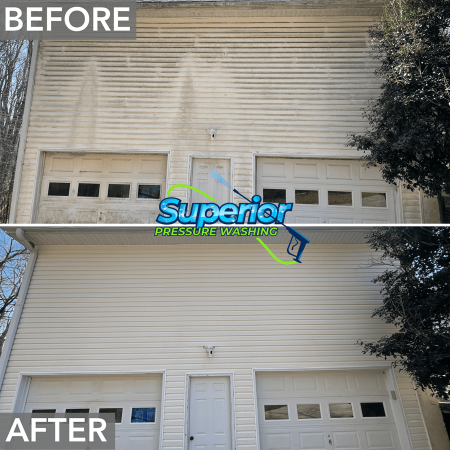
After a proper soft wash, paint color looks richer because pollutants are gone and light reflects evenly. Edges at window trim stay crisp, and soffits do not show splash marks. On vinyl, oxidation dust clears without the streaks high pressure can leave behind. Most importantly, the coating that protects your sheathing and framing stays intact.
Ready for a Safer House Wash?
If your painted siding in Douglasville, GA looks dull from algae or pollen, choose the method that respects your coating and your home. Soft washing answers that need by leaning on chemistry, dwell time, and a controlled rinse instead of raw force.
Call Superior Pressure Washing Metro at 770-315-3494 to talk through your goals and schedule. When you are ready, you can schedule your house wash so a trained team handles the details and you enjoy a clean, even finish that lasts.